
Discover the best productivity software for beginners to organize tasks, manage time, and work smarter with easy tools designed for fast results.
Productivity Software for Beginners: A Complete Starter Guide to Working Smarter
Understanding Productivity Tools
Getting started with productivity software for beginners can feel overwhelming at first. There are dozens of apps, shiny features, and big promises. But here’s the good news: productivity tools are simply digital helpers that make your work and life more organized. That’s it.
What Productivity Software Really Means
Productivity software includes applications that help you plan tasks, manage time, store notes, track goals, and reduce distractions. Think of them as digital planners, notebooks, and assistants rolled into one neat package.
Instead of juggling sticky notes, notebooks, and memory, these tools keep everything in one safe, searchable place. Pretty convenient, right?
Why Beginners Need Digital Organization Systems
When you’re new to structured planning, simple systems matter. Beginners often struggle with:
- Forgetting tasks
- Poor time planning
- Multitasking overload
- Scattered notes
Digital tools solve these pain points fast. They create clarity. And clarity builds momentum.
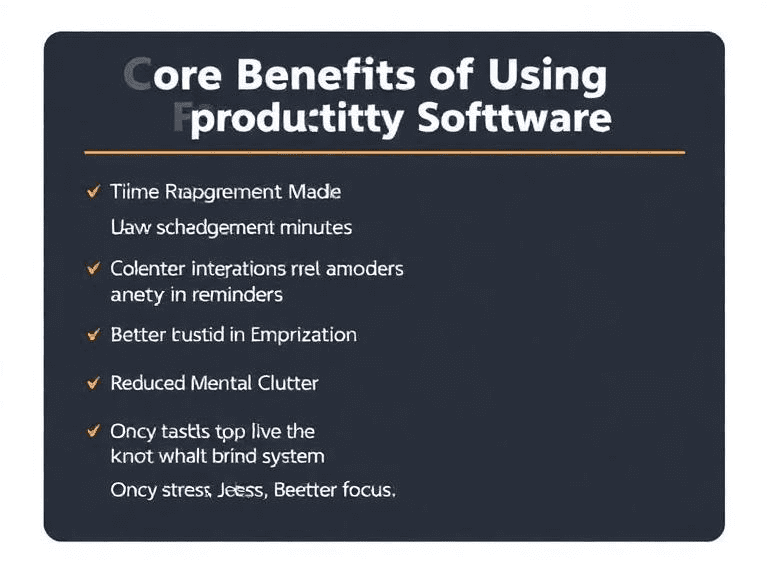
Core Benefits of Using Productivity Software
Time Management Made Simple
You can schedule your day in minutes. Calendar integrations and reminders ensure nothing slips through the cracks.
Better Task Prioritization
Most apps let you label tasks by urgency and importance. So you always know what deserves attention first.
Reduced Mental Clutter
Once tasks live in a trusted system, your brain relaxes. Less stress. Better focus.
Essential Categories of Productivity Tools
Task Management Applications
Task managers help you capture, organize, and complete work efficiently.
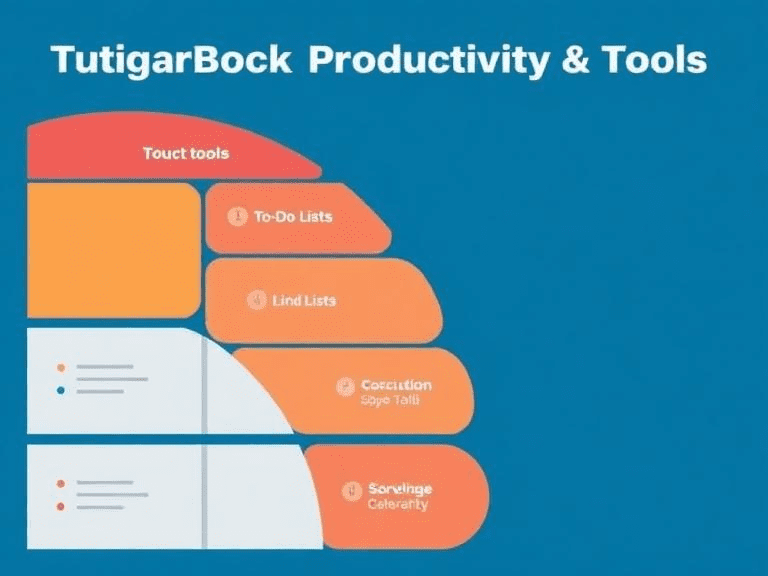
To-Do Lists vs. Project Boards
- To-Do Lists — Great for simple daily tasks
- Project Boards — Ideal for visual workflows and multi-step projects
Visual boards are especially helpful for beginners.
Note-Taking and Knowledge Management
Digital notes replace paper notebooks. You can search, tag, and organize ideas instantly.
Calendar and Scheduling Tools
Scheduling tools help you plan meetings, study time, deadlines, and even breaks.
Focus and Distraction-Blocking Apps
These tools block distracting websites and track focus sessions to help you stay on task.
Beginner-Friendly Features to Look For
Clean Interface and Ease of Use
If it looks confusing, you won’t use it. Choose software with simple dashboards and clear menus.
Cross-Device Sync
Your data should update across phone, tablet, and computer automatically.
Templates and Automation
Pre-built templates save time. Automation handles repetitive work in the background.
Best Productivity Software for Beginners
Visual Task Planners
Tools like Trello use drag-and-drop boards that make task tracking feel intuitive and even fun.
All-in-One Workspaces
Notion combines notes, tasks, databases, and planning in one flexible platform.
Simple Time Trackers
Time tracking tools show where your hours really go—an eye-opening habit for most beginners.
Digital Note Systems
Apps like **Microsoft OneNote help you organize class notes, meeting minutes, and ideas neatly.
How to Choose the Right Tool for Your Needs
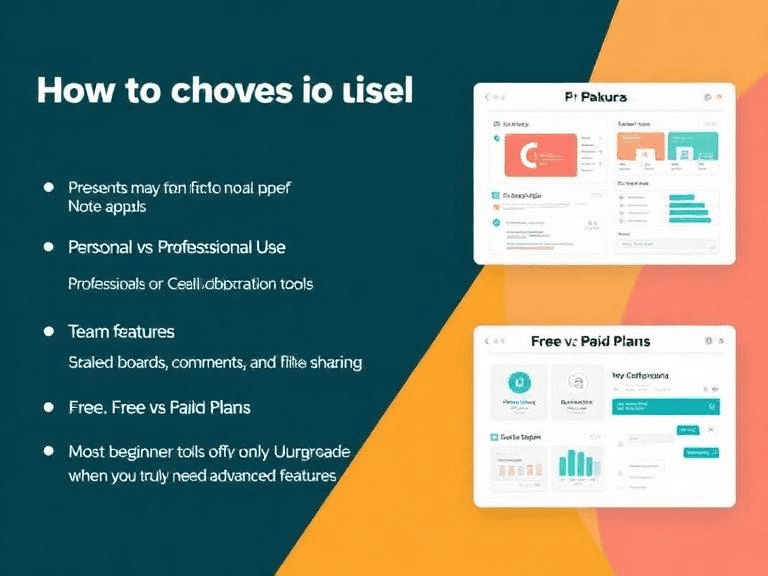
Personal vs Professional Use
Students may prefer planners and note apps. Professionals often need collaboration tools.
Solo Users vs Team Collaboration
Team features include shared boards, comments, and file sharing.
Free vs Paid Plans
Most beginner tools offer generous free plans. Upgrade only when you truly need advanced features.
Step-by-Step Setup Guide for First-Time Users
Creating Your First Workspace
Start with one workspace. Name it clearly—like “Daily Planning.”
Organizing Projects and Tasks
Create simple categories:
- Today
- This Week
- Later
Avoid complex systems early on.
Building a Daily Workflow
Check tasks each morning. Update progress midday. Review wins at night.
Productivity Methods That Pair with Software
Time Blocking
Assign specific hours to specific tasks.
Kanban Workflow
Move tasks across stages like To-Do → Doing → Done.
Getting Things Done (GTD)
Capture everything. Clarify next steps. Stay stress-free.
Common Mistakes Beginners Should Avoid
Tool Overload
Using too many apps confuses. Start with one or two.
Over-Customization Early On
Fancy setups waste time. Keep it simple first.
Ignoring Backup and Sync Settings
Always enable cloud sync to prevent data loss.
Security and Privacy Basics
Cloud Storage Safety
Choose trusted providers with encryption.
Permission Controls
Limit who can view or edit your workspaces.
Real-World Use Cases
Students
Track assignments, exam dates, and study plans.
Remote Workers
Manage tasks, meetings, and async communication.
Entrepreneurs
Plan goals, content calendars, and client work.
Tips to Stay Consistent and Build Habits
Start Small
Adopt one tool and one routine at a time.
Use Daily Reviews
Five minutes each evening keeps plans realistic.
Track Progress Weekly
Small wins build lasting motivation.
Frequently Asked Questions
1. What is the easiest productivity tool for absolute beginners?
Visual task boards are often easiest because they show work clearly and simply.
2. Do I need to pay for productivity apps?
No. Many tools offer strong free versions that suit beginners perfectly.
3. Can productivity tools improve focus?
Yes. Focus timers and distraction blockers help you stay on track.
4. How many productivity apps should I use?
Start with one task manager and one note app. Add more only if needed.
5. Are productivity tools hard to learn?
Most beginner tools are designed with simple interfaces and tutorials.
6. Where can I learn productivity systems?
You can explore guides from trusted learning platforms like
Conclusion and Next Steps
Starting with productivity software for beginners doesn’t require technical skills or complex systems. All you need is a simple tool, a clear goal, and the willingness to build better habits. Begin small. Stay consistent. Improve gradually.