
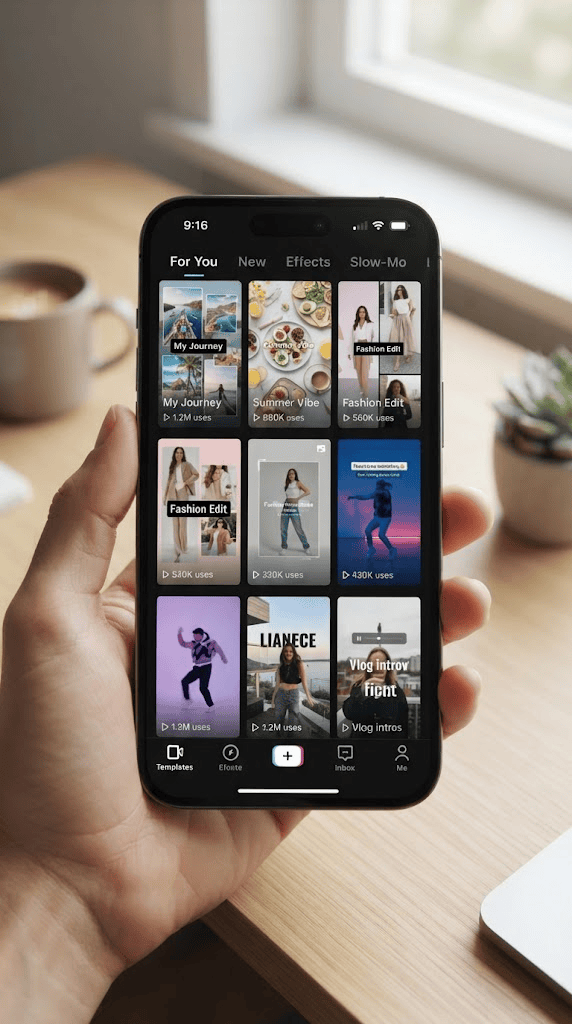
Searching for the capcut template ghaus editz trend? Learn what it is, how to find the real template link, and how to use or recreate it step by step.
What Is the “Ghaus Editz” CapCut Template Trend?
CapCut templates are pre-built editing projects that other creators design, save, and share. Once a template is public, anyone can open it, drop in their own photos or clips, and the app automatically applies the original creator’s transitions, beat sync, text placement, and effects to the new footage.
“Ghaus Editz” is the name attached to a specific style of edit that’s been circulating under this label across Instagram Reels and TikTok. Like many trending edit names, it isn’t tied to a single official CapCut category — it’s a creator-style tag that spreads because people search for the exact name they saw in a caption or bio link. The style typically associated with this trend leans on:
- Fast, beat-matched cuts synced tightly to the music drop
- Alternating close-up and wide-frame shots
- A “reveal” moment near the end of the clip
- Clean color grading with minimal on-screen clutter
Because template availability on CapCut depends on whether the original creator marked it as public and shareable, the exact capcut template ghaus editz link can sometimes go offline or get replaced by near-identical community versions. That’s why knowing how to find and use it — and how to rebuild the look manually — matters more than chasing one specific link.
Why This Editing Style Is Going Viral
Short-form video thrives on patterns viewers recognize instantly. The Ghaus Editz-style edit works because it hits three things the algorithm and the audience both respond to:
- Rhythm – Cuts land exactly on the beat, which keeps viewers watching without consciously noticing why.
- Pacing variety – Mixing close details with full-frame shots prevents visual fatigue over a 15–30 second clip.
- A payoff moment – The final reveal gives the video a mini “arc,” which increases rewatches and shares.
These are the same principles editors have used for years in music videos and trailers — templates just automate the technical timing so beginners can apply them without manually keyframing every cut.
How to Find the CapCut Template Ghaus Editz Link
There are three realistic ways to locate this template, and it’s worth trying them in order.
1. Search Inside the CapCut App
The most reliable method is searching directly inside CapCut, since the app’s built-in template library <cite index=”8-1″>updates daily and includes thousands of free and premium options</cite>.
- Open CapCut on mobile.
- Tap Templates from the bottom menu.
- Use the search bar and type “Ghaus Editz” or related terms like “beat sync transition” or “trending reveal edit.”
- Preview any matching template before applying it to confirm the transitions and pacing match what you’re after.
2. Follow a Shared Link from Social Media
If you first saw this edit on Instagram or TikTok, check the caption or bio for a “Use template” or “Get template” link.
- Tap the link — it should open directly in the CapCut app.
- If CapCut isn’t installed, you’ll be redirected to your app store first.
- Once it opens, tap Open on the prompt to load the project.
Keep in mind these direct links can break if the original creator deletes or unpublishes the template, so having a backup plan (recreating the style manually, covered below) is worth knowing.
3. Check Trusted Third-Party Template Roundups
Some creators and template curators maintain updated lists of trending CapCut templates, including name-tagged styles like this one. Stick to well-known, actively maintained sources, and always preview a template before committing your footage to it — this avoids wasted time on templates that don’t match the aspect ratio or clip count you need.
Step-by-Step: How to Use the Template Once You’ve Found It
Template support currently differs by platform, which trips up a lot of first-time users. Here’s the accurate breakdown as of 2026:
| Platform | Template Discovery | Community Templates | Best For |
|---|---|---|---|
| CapCut Mobile (iOS/Android) | Full support | Yes | Finding and using trending templates like this one |
| CapCut Web | Limited | No (official templates only) | Quick edits without installing an app |
| CapCut Desktop (PC/Mac) | Very limited | No | Manual recreation, not template browsing |
Because <cite index=”1-1″>template functionality is fully supported on mobile and web, while desktop only supports limited, official templates with no community sharing</cite>, mobile is your best bet if you’re chasing a specific community-shared style like Ghaus Editz.
Using It on Mobile (Recommended)
- Open the template inside CapCut using either the in-app search or a shared link.
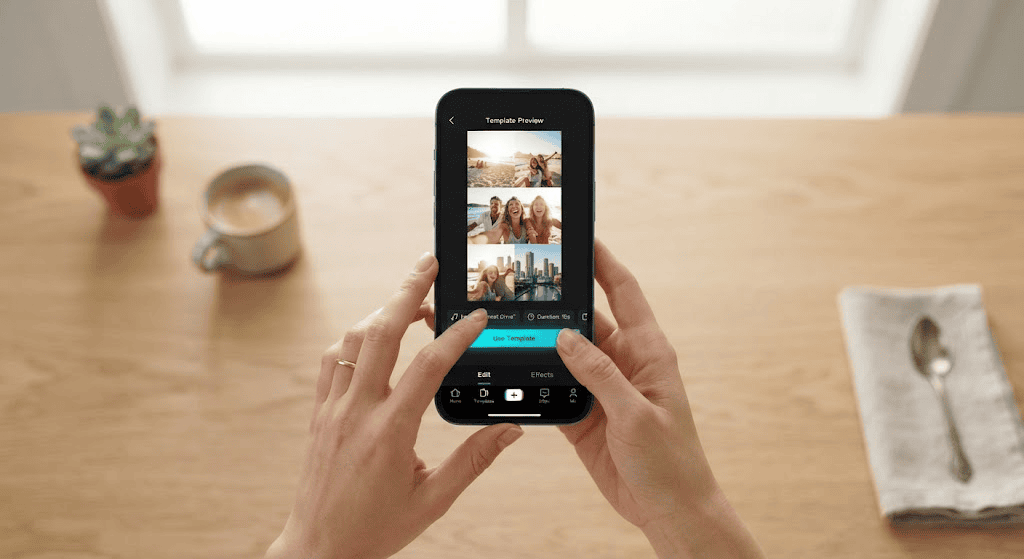
- Tap Use Template.
- Select the photos or video clips from your gallery in the order you want them to appear.
- Let the app automatically apply the beat sync, transitions, and timing from the original template.
- Preview the full edit before exporting to check pacing against your footage.
- Adjust individual clip trims if a transition lands awkwardly on your subject.
- Tap Export, choose your resolution, and save or share directly to Instagram or TikTok.
Using It on CapCut Web
- Open CapCut Web in your browser and sign in.
- Go to the Templates section and search for an available match — remember, community templates like the exact Ghaus Editz version may not appear here.
- Click Use Template, upload your media, and let the editor build the timeline.
- Fine-tune text or music, then export directly from the browser.
This matches CapCut’s own documented workflow, where <cite index=”2-1″>you can use templates across mobile, PC, and web, though some methods differ slightly depending on the platform</cite>.
How to Recreate the Ghaus Editz Style If the Exact Template Isn’t Available
If the specific template link is down, don’t worry — the visual style is very achievable manually. Here’s how to rebuild the core elements:
1. Set Up Your Beat Map First
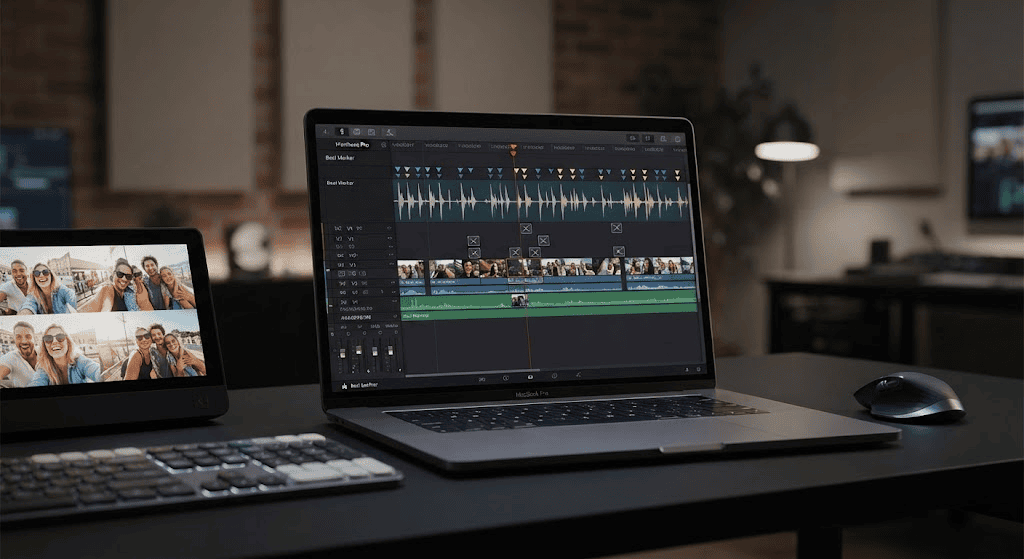
Import your audio track before adding video clips. Use CapCut’s Beat Sync tool (found under audio effects) to auto-detect beat points, then manually adjust a few markers so the strongest hits land on your best shots.
2. Alternate Shot Types
Structure your clip order so close-up detail shots and wide/full-frame shots alternate every 1–3 beats. This mimics the pacing variety that makes the trend visually interesting instead of repetitive.
3. Keep Transitions Consistent
Pick one or two transition styles (a quick zoom cut and a whip pan, for example) and reuse them throughout instead of mixing five different effects. Consistency reads as more polished than variety here.
4. Apply a Uniform Color Grade
Use the same filter or manual color adjustment across every clip so lighting and tone feel cohesive, especially if your footage was shot at different times or locations.
5. Build Toward a Final Reveal
Save your strongest, clearest shot for the last 2–3 seconds. Slow the cut pace slightly right before this moment so the payoff has room to land.
6. Export in the Right Format
For Reels and TikTok, export in a 9:16 aspect ratio at 1080p or higher, with captions burned in if your text needs to be readable with sound off.
This manual process is essentially what CapCut’s own template-creation guide walks through, since <cite index=”3-1″>creating a template lets you streamline your workflow and enhance your videos with ease</cite> — the difference is you’re building it once and can reuse your own version going forward.
Tips to Make Your Version Stand Out
Using a trending template gets you a professional base, but a few small tweaks help your edit avoid looking identical to everyone else’s:
- Swap the music selectively – Use a trending audio in the same tempo range instead of the exact original track, so pacing still matches.
- Crop for your subject – Adjust framing on each clip so the composition suits your footage rather than forcing your subject into someone else’s crop.
- Add one custom element – A single unique text overlay, sticker, or sound effect makes the edit feel personalized without breaking the template’s rhythm.
- Watch your clip lengths – If your source footage runs longer or shorter than the template expects, trim before applying it rather than stretching clips awkwardly afterward.
Common Mistakes to Avoid
- Ignoring aspect ratio mismatches. Templates built for 9:16 will crop poorly if your source footage is 16:9 — shoot vertically when you know you’re using a Reels-style template.
- Overloading with effects. Adding extra filters on top of a template’s built-in color grade often muddies the look instead of enhancing it.
- Skipping the preview step. Always preview before exporting; beat sync points can shift if your clips are a different length than the original creator’s.
- Using low-resolution source clips. Templates amplify visible pacing and cuts, which also makes low-quality footage more noticeable.
Using CapCut Templates for Digital Marketing and Brand Content
For marketers and small business accounts, trend-based templates like this are a genuinely useful shortcut — but they work best with a bit of strategy layered on top:
- Match trend to brand tone. A high-energy beat-sync edit suits product drops and behind-the-scenes content better than formal announcements.
- Batch your footage first. Shoot multiple close-up and wide clips in one session so you have enough variety to fill a template properly without reshoots.
- Keep a swipe file. Save working template links as soon as you find them, since trending templates can be replaced or removed within weeks.
- Track performance, not just aesthetics. A polished edit only helps if it’s paired with a clear caption and call-to-action — the template handles the visual, not the messaging.
Used this way, trend-driven editing becomes part of a repeatable content system rather than a one-off experiment.
Frequently Asked Questions
1. What is the CapCut template Ghaus Editz?
It’s a trending, beat-synced editing style circulating on Instagram Reels and TikTok, built around fast cuts, alternating close-up and wide shots, and a final reveal moment. It’s shared as a reusable CapCut template rather than tied to one official app category.
2. Where can I find the exact Ghaus Editz template link?
Search “Ghaus Editz” directly inside the CapCut app’s Templates tab, or check the caption/bio link on the specific Reel or TikTok video where you first saw the edit. Community template links can go offline if the original creator removes them.
3. Can I use this template on CapCut for PC?
Not directly. Desktop CapCut currently supports only official, built-in templates with no community sharing, so mobile is the more reliable platform for finding trend-specific templates like this one.
4. What if the template link doesn’t work anymore?
Recreate the style manually using CapCut’s Beat Sync tool, alternating shot types, a consistent transition style, and a matching color grade — the step-by-step process is covered earlier in this guide.
5. Do I need paid CapCut features to use this template?
Most trending templates work with CapCut’s free tier. Some templates use premium effects or filters that require a subscription, which will usually be flagged when you preview the template before applying it.
6. How long should my clips be for this style of edit?
Aim for short segments — typically half a second to two seconds per clip — so cuts land cleanly on the beat. Longer clips can be trimmed down after applying the template if needed.
7. Is it okay to use someone else’s CapCut template for commercial content?
Yes, public CapCut templates are designed to be reused, including for business or brand accounts. Just make sure any music included is properly licensed for commercial use on the platform you’re posting to.
8. Can I save my own version as a new template afterward?
Yes. Once you’ve customized an edit, you can save your project and mark it as a template from the CapCut menu, making it reusable for future content without rebuilding it from scratch.
Final Thoughts
The capcut template ghaus editz search usually comes from one specific moment: seeing an edit that looks great and wanting to know exactly how it was made. Whether you manage to track down the original template link or end up recreating the beat-synced, reveal-style look manually, the core technique is the same — tight beat mapping, varied shot pacing, and a clean final payoff. Start with the in-app search, keep a manual recreation method as backup, and you’ll be able to apply this style (or adapt it) to any future trend that comes through your feed.