

If you have built an AI tool, getting people to find it is often harder than building it. One simple, low-cost way to gain visibility is to list your tool in the best AI tool directories for backlinks and referral traffic. These directories organise AI tools by category, so users searching for a specific solution can discover yours.
A directory listing can put your tool in front of people already looking for what you offer. Some directories also give you a backlink to your website, which can support your search engine optimisation (SEO) over time. This guide explains which directories are worth considering, how submission usually works, and how to choose wisely.
What Are AI Tool Directories?
An AI tool directory is a website that lists AI-powered tools in one place, organised by category, use case, or task. Visitors browse categories such as writing, image generation, coding, or video editing, compare options, and click through to the tools that interest them.
Some directories are large catalogues with thousands of listings. Others are carefully curated and only accept a small number of tools, or focus on new launches.
For a tool maker, a listing serves two purposes. First, discovery: people who would never have heard of your tool can find it while browsing. Second, a backlink to your own website. Search engines use links as one of many signals when ranking pages, so a link from a relevant directory can be a small positive signal.
Do Directory Backlinks Actually Help SEO?
Directory backlinks can help, but they are only one small part of SEO. A link from a relevant directory may send referral traffic and add to your site’s link profile. However, Google has been clear that links created mainly to manipulate rankings can be treated as link spam, and low-quality directory links are unlikely to help.
Google’s own guidance on link spam explains that buying or selling links for ranking purposes can be considered spam. Quality matters far more than quantity: a handful of listings on well-known, relevant directories beats hundreds of low-quality ones.
Many directories also mark their outbound links as “nofollow”, so the link does not pass the same ranking signal as a standard link. A nofollow link can still send real visitors, so it is not worthless, but it will not boost rankings in the same way.
In short, directory listings are a useful starting point for a new AI tool, especially for traffic and discovery, but not a shortcut to the top of Google. Treat them as one part of a wider plan that also includes good content and a clear website.

The Best AI Tool Directories for Backlinks
Below are some of the most well-known AI tool directories. Each works a little differently, and submission rules, fees, and link policies can change over time, so always check the directory’s own submission page before you apply.
1. There’s An AI For That
There’s An AI For That, often shortened to TAAFT, is one of the largest and best-known AI tool directories. It organises tools by the task they solve, so users search for something like “write an email” and find tools that do exactly that. Because of its size and audience, it is often one of the first places tool makers submit to.
2. Futurepedia
Futurepedia is a curated directory listing AI tools across many categories, from writing and design to productivity and research. It is more selective than open catalogues, so not every submission is accepted. Its appeal is its reputation and its audience of people actively researching AI tools.
3. Toolify
Toolify is a large directory covering thousands of tools across hundreds of categories, attracting a steady stream of visitors searching by category. It typically offers both free and paid submission options, with paid listings often reviewed more quickly.
4. Product Hunt
Product Hunt is not a traditional directory, but it is one of the most important launch platforms for new tools. On launch day, makers present their product to a large community, and users vote and comment. A launch is mainly about exposure rather than backlinks, since its links are generally marked nofollow, but a successful one can bring a large spike of visitors and early users.
5. TopAI.tools
TopAI.tools lists tools by category and use case. It is smaller and more focused than the largest catalogues, so your listing is less likely to get lost among thousands of others. Submission usually involves a form with your tool’s details, and there may be a paid option for faster review.
6. FutureTools
FutureTools is a curated directory known for being selective. Tools are chosen by the team rather than accepted automatically, so a listing here can act as a stamp of quality. Make sure your tool is genuinely useful, has a clear website, and is easy for the team to understand and test.
7. SaaSHub
SaaSHub is a broader software directory covering AI tools alongside other software. Many people compare alternatives there, so someone looking for an alternative to a well-known tool may find yours on the same page. It typically offers free listings, with optional paid features for extra visibility.
How to Submit Your AI Tool to a Directory
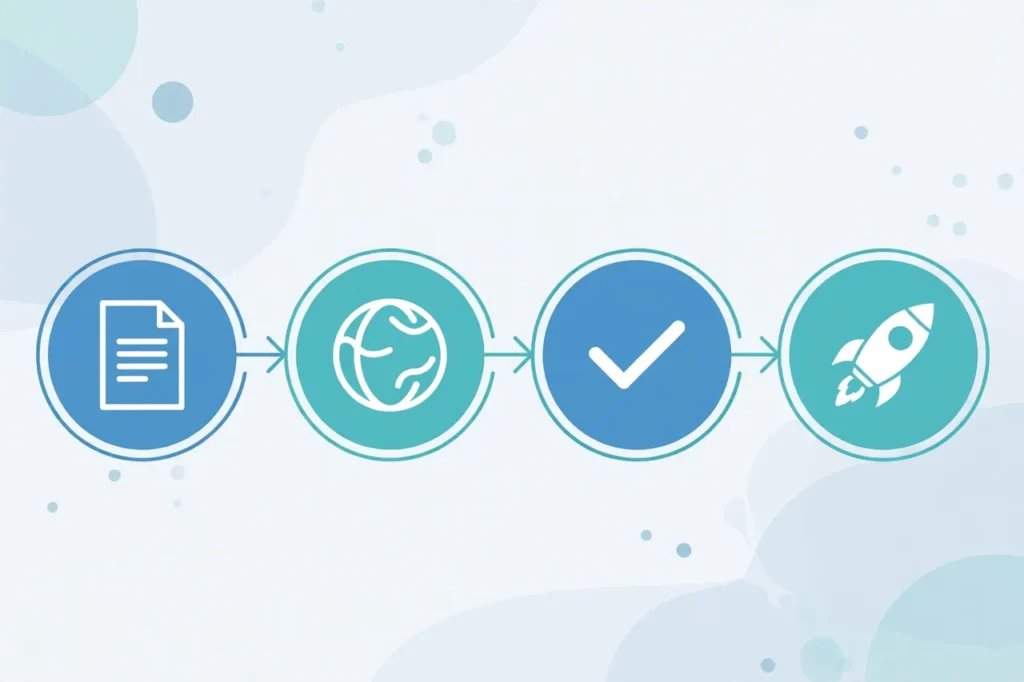
The exact steps vary by directory, but the process generally follows this pattern:

- Prepare your listing materials. Write a short, clear description of what your tool does and who it is for, and prepare a logo, a few screenshots, and your website link.
- Choose the right category. Pick the category that best matches your tool’s main use, so the right audience sees your listing.
- Find the submission page. Look for a “Submit” or “Add a tool” link on the directory’s website, and read the guidelines before you fill in the form.
- Complete the form carefully. Enter your tool’s name, website, description, and category, and double-check your website link before submitting.
- Wait for review. Many directories review submissions by hand, so approval can take from a day to several weeks. Some offer a paid option for faster review.
- Check your live listing. Once approved, visit your listing page to confirm the description, links, and images are correct.
Before you submit, make sure your own website is ready: a clear homepage and a working product will help your listing get accepted and clicked.
How to Choose the Right Directories
With so many directories available, it helps to be selective:
- Relevance matters most. A directory focused on AI tools is more useful than a general one with no connection to your audience.
- Look for real traffic and real users. A directory with an active audience and regular updates is worth more than one that simply exists. If it looks abandoned or full of broken links, skip it.
- Check the link type. If backlinks are your main goal, find out whether the directory’s links are followed or nofollow by inspecting a link on a listing page.
- Read the terms before paying. Some directories charge for listings or featured placement, and fees change often. Read the current submission page before you pay anything.
- Start with a few, then expand. Submit to three or four well-known directories first, then add more over time to see which listings actually send visitors.
Many users also discover tools through guides and comparisons, such as a roundup of the best software tools, or through specialised research, such as audience research tools and competitor research tools. A directory listing works best alongside good content and a clear website.
Common Mistakes to Avoid
- Submitting to every directory you can find. Hundreds of low-quality listings will not help your SEO and may even look spammy. Focus on directories with real audiences.
- Using the same description everywhere. Tailor your description to each directory’s format and audience. A copy-and-paste description that ignores the guidelines is more likely to be rejected.
- Paying without checking. Some directories charge fees that change often. Always read the current pricing and terms on the directory’s own website before paying.
- Ignoring your own website. A directory listing sends visitors to your site. If your site is slow, unclear, or broken, those visitors will leave. Fix your homepage first.
- Expecting instant rankings. Directory links alone will not move you to the top of Google. They are a small, steady part of a long-term SEO effort, not a shortcut.
Frequently Asked Questions
Are AI tool directory backlinks good for SEO?
They can help as part of a wider SEO plan, but they are not a shortcut to higher rankings. A link from a relevant, well-known directory can support your site’s link profile and send real visitors, while low-quality directory links are unlikely to help.
Do AI tool directories give dofollow backlinks?
It depends on the directory. Some give followed links, others mark their outbound links as nofollow, and some use a mix. Check the directory’s current policy or inspect a listing page yourself. Nofollow links can still be valuable because they send real traffic.
Is it free to list an AI tool in a directory?
Many directories offer a free submission option, while others charge a fee or offer paid featured placement. Some review free submissions slowly and offer a paid option for faster review. Always check the directory’s own submission page for the latest pricing.
How long does it take for a directory listing to go live?
It varies widely. Some directories publish listings within a day or two, while curated directories with manual review can take several weeks. Paid options are often reviewed faster. If your listing has not appeared after the stated review time, contact the directory.
Which AI tool directory should I submit to first?
Start with the largest, best-known directories, such as There’s An AI For That, Futurepedia, and Toolify, and add a Product Hunt launch if your tool is new. Then expand to smaller directories that match your tool’s niche.
Conclusion
The best AI tool directories for backlinks have real audiences, relevant categories, and a genuine review process. Start with well-known names like There’s An AI For That, Futurepedia, and Toolify, add a Product Hunt launch if your tool is new, and then expand to smaller directories that fit your niche.
Remember that a directory listing is a starting point, not a complete SEO strategy. Prepare a clear description, choose the right category, and check the current terms on each directory’s submission page. A few good listings, combined with a solid website and helpful content, will do far more for your tool than a hundred low-quality submissions ever could.