

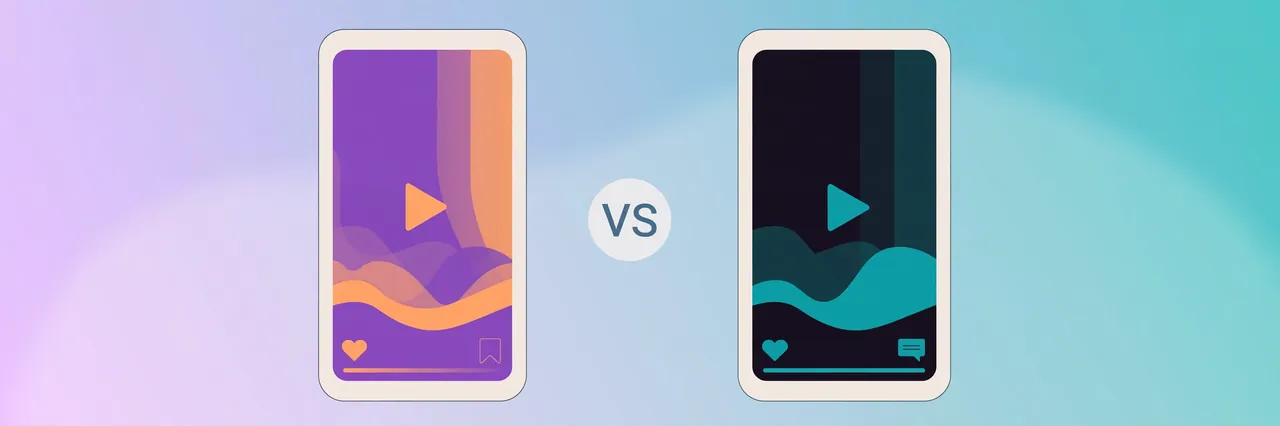
Instagram Reels vs TikTok: Which Is Better for Creators in 2026
Instagram Reels vs TikTok is the question almost every new creator asks before posting their first short video. Both apps show vertical videos, both can make an unknown account go viral overnight, and both are free to use — so it is tempting to treat them as the same thing. They are not. They have different audiences, different discovery systems, different editing tools, and different ways of paying creators.
This guide compares Instagram Reels and TikTok side by side — reach, audience, video length, editing, monetisation, and business use — so you can decide where your time is best spent, and whether posting on both makes sense for you.
Instagram Reels vs TikTok at a glance
| Instagram Reels | TikTok | |
|---|---|---|
| Launched | 2020, inside Instagram | 2016, as a standalone app |
| Max video length | 3 minutes | 10 minutes for uploads |
| Main discovery | Reels feed, Explore, hashtags, followers | For You feed |
| Core audience | Broad, all ages, strong 25–44 | Younger skew, strong under-35 |
| Editing | Simple built-in editor | Deeper built-in editor and effects |
| Earning | Gifts, subscriptions, brand deals | Creator Rewards, TikTok Shop, LIVE gifts |
| Best for | Businesses, personal brands, existing Instagram audience | Fast discovery, trends, new creators |
Neither platform is better in every way. The right choice depends on what you want: fast growth from zero, sales for a business, or income from an audience you already have. Read the sections below with your own goal in mind.
Audience and reach: who watches where
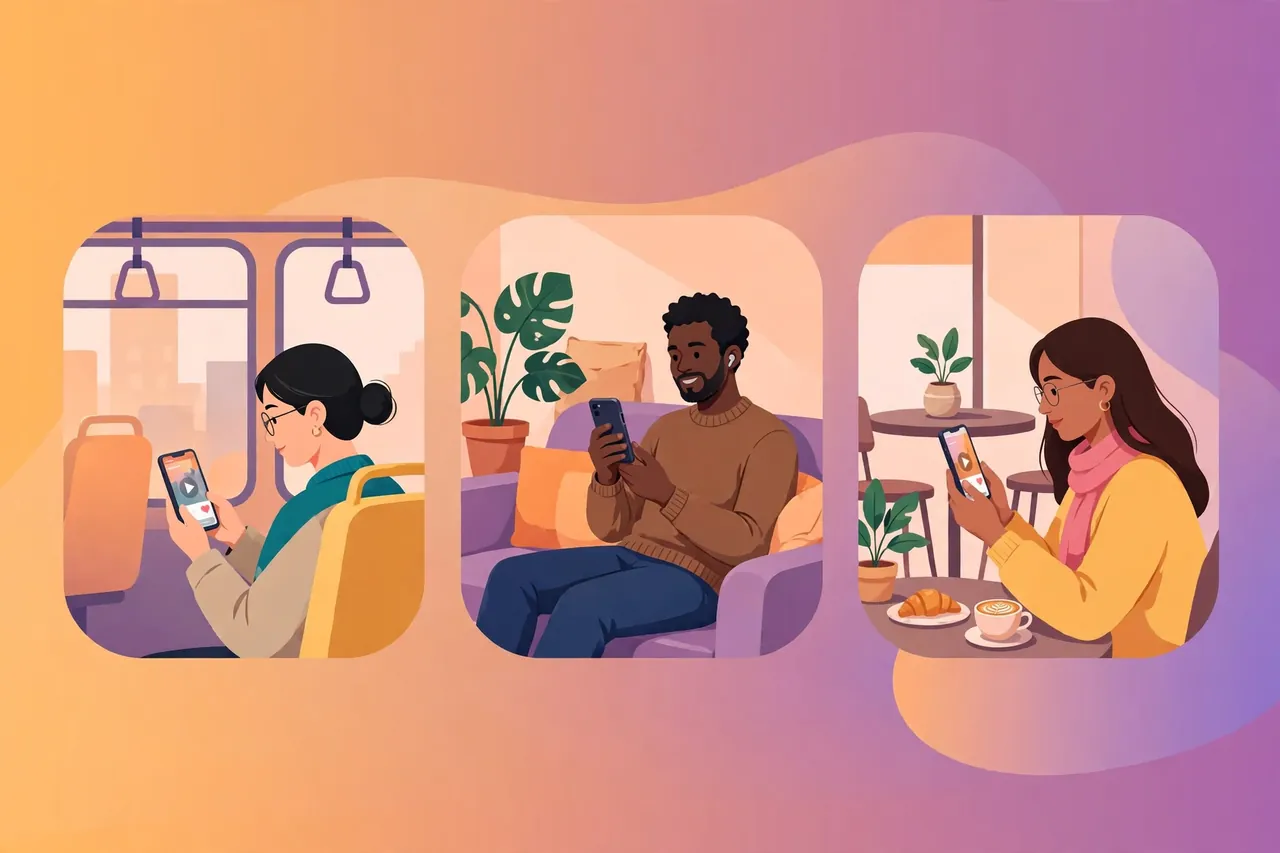
Both platforms count their monthly users in the billions, so audience size is not the deciding factor — audience behaviour is. People open Instagram for many reasons: photos from friends, Stories, messages, shopping, and Reels. A Reel competes with everything else in the app for attention, and many viewers arrive from your profile or from people they already follow.
TikTok is different. People open TikTok almost entirely to watch short videos, and the For You feed shows them videos from strangers by default. That makes TikTok the stronger platform for being discovered by people who have never heard of you. A brand-new account with zero followers can reach thousands of people with its first video if the video holds attention.
The audiences also skew differently. TikTok’s audience leans younger, with its largest groups in their teens, twenties, and early thirties, and it is the home of fast-moving trends, sounds, and jokes. Instagram’s audience is broader: it still skews young, but it has a much larger share of users aged 25 to 44, including the people most likely to buy a product or hire a service. If your customers are working adults with money to spend, Instagram’s audience is often a better match.
Geography matters too. TikTok is not available everywhere — it is banned or restricted in some countries, including India — while Instagram is available in most countries. If your audience is in a place where TikTok is blocked, the choice is made for you. Check where your own audience lives before committing to one platform.
How discovery works on each platform
Discovery is where the two platforms differ most. TikTok’s For You feed is built around interests, not follows. The app watches what you watch, like, share, and rewatch, and shows you more of it — from any creator, no matter how small. Every video gets a chance with a small test audience first; if those viewers watch it through and engage, TikTok shows it to a bigger group, and so on. This is why small TikTok accounts can go viral so fast.
Instagram Reels work in a similar way, but with one big difference: your existing network matters more. Instagram shows your Reel to your followers first, and their reaction influences how far it spreads to non-followers through the Reels feed and Explore. An account with an engaged following has a head start, while a brand-new account starts slower. Instagram also weighs your past behaviour — what you post, how often, and whether viewers save or share it.
Hashtags matter on both, but less than they used to. A few relevant hashtags help each app understand what your video is about, but stuffing thirty popular hashtags will not make a weak video perform. What matters most on both platforms is the same thing: watch time. If viewers watch your video to the end, rewatch it, or share it, the algorithm shows it to more people.
Search is becoming important too. Both apps now work as search engines for younger users — people search TikTok and Instagram for recipes, travel ideas, and how-to answers instead of opening Google. Use clear captions and on-screen text that say what your video is about, so search can find it.
Video length, formats and editing tools
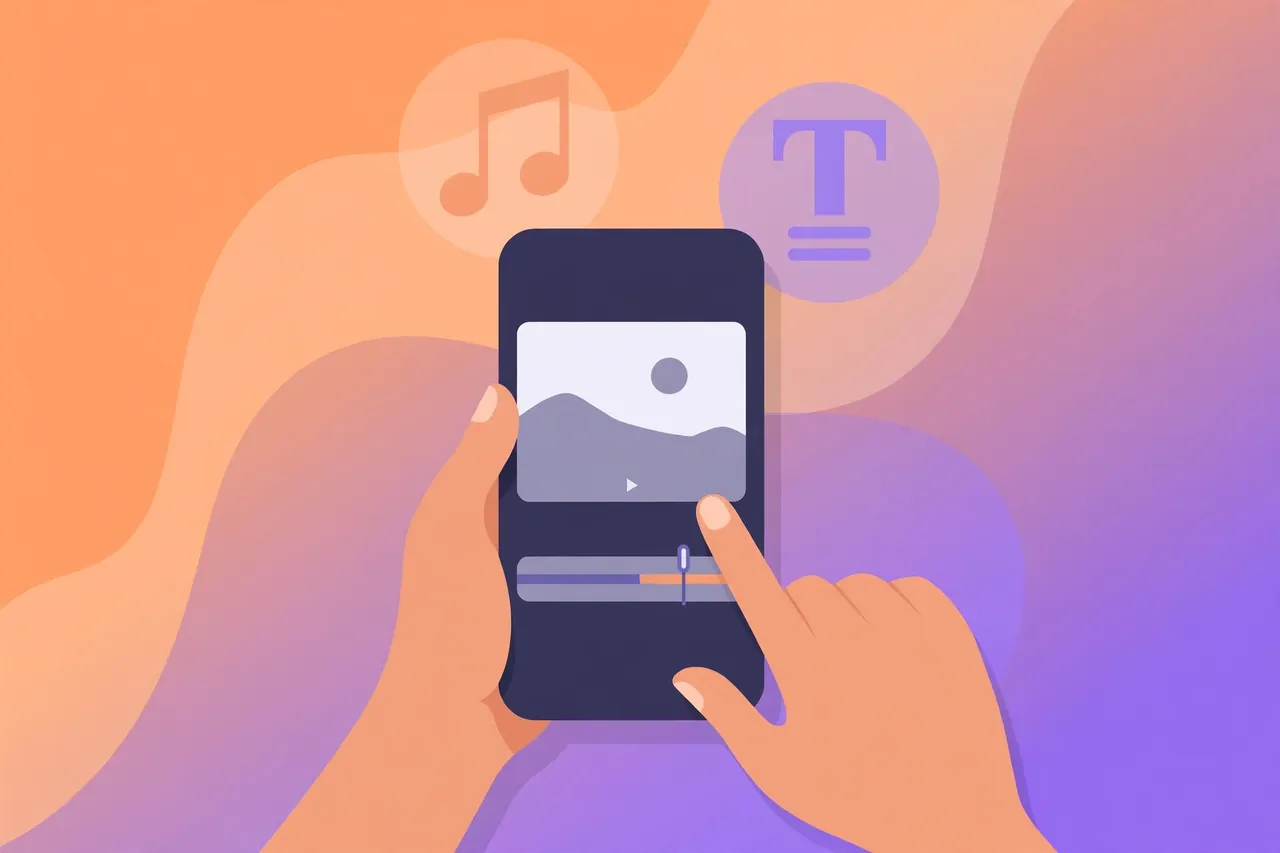
Instagram Reels can now be up to 3 minutes long, but most successful Reels are much shorter — between 15 and 60 seconds. The format is vertical video, 9:16, the same as TikTok. Instagram’s built-in editor covers the basics: trimming clips, adding text, music from its library, and simple effects. It is easy to learn, which suits beginners, but it is limited if you want advanced effects or precise control.
TikTok allows uploads of up to 10 minutes, though most TikTok videos are also short — under 90 seconds. Its editor is deeper: more filters, effects, transitions, voice effects, and green-screen tools, plus a huge library of trending sounds. TikTok also has tools like auto-captions, templates, and a more flexible text editor. Creators who enjoy editing usually prefer TikTok’s tools, while creators who want to film and post quickly often prefer Instagram’s simpler flow.
One practical difference is music. Business accounts on Instagram have a limited commercial music library, because popular songs need a licence for commercial use. TikTok has similar limits for business accounts, but its library of trending sounds is larger for personal and creator accounts. If music is central to your videos, check what your account type can use before you plan around a trending song.
For filming, the advice is the same on both: shoot vertically, in good light, with clear sound. Neither app rewards shaky, dark, or watermarked video. And never re-upload a video carrying the other app’s watermark — Instagram reduces the distribution of videos with a TikTok watermark, and TikTok does the same in reverse. Always upload a clean original file to each platform.
Monetisation: how creators actually earn
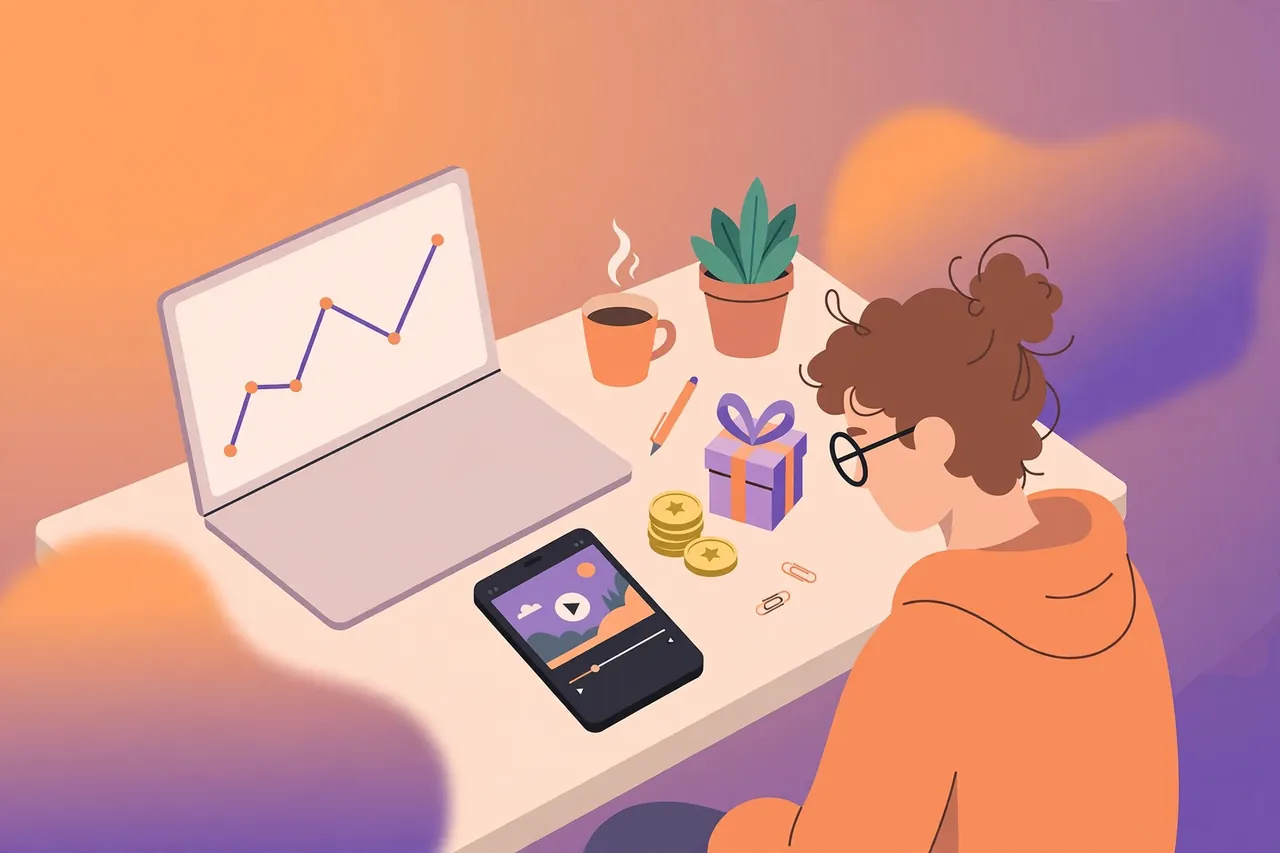
Neither platform pays most creators a living wage from views alone, and anyone promising easy money from short video is selling a fantasy. Still, the earning routes differ, and they matter if income is your goal.
On Instagram, creators earn mainly through gifts from viewers on Reels, paid subscriptions from followers, and brand deals. Instagram also runs bonus programmes from time to time, but these change often and are not available to everyone, so do not build your income plan around them. The real money on Instagram usually comes from brand partnerships and from selling your own products or services to the audience your Reels build. Instagram’s older, broader audience often converts better into paying customers.
On TikTok, creators earn through the Creator Rewards Program, which pays eligible creators for original videos over a minute long, through LIVE gifts, subscriptions, and TikTok Shop — selling products directly inside videos and live streams. TikTok Shop is a genuine advantage for sellers: viewers can buy without leaving the app. TikTok also has a large brand-deal market, especially for creators in beauty, food, tech, and entertainment niches.
Both platforms set eligibility rules — minimum followers, views, age, and location — and both can change their programmes without much warning. Check the current rules in each app before you plan around them, and never pay anyone who promises to get you into a monetisation programme.
For businesses: which platform sells better
For a business, the question is not which app is bigger, but which one brings customers. Instagram usually wins for businesses that sell to adults: the audience is older, the profile has contact buttons, a shop, and a link, and a Reel can send a viewer straight to your product page or WhatsApp. Instagram also works better alongside your other marketing — the same account holds your photos, Stories, Highlights, and customer messages.
TikTok usually wins for fast awareness and for products that sell on impulse — a fun gadget, a beauty product, a snack. A single viral TikTok can sell out a product overnight, and TikTok Shop makes the purchase almost frictionless. The trade-off is that TikTok viewers are less likely to become long-term followers or repeat customers; the app is built for discovery, not loyalty.
Many small businesses use both: TikTok for reaching new people, Instagram for turning those people into customers. If you only have time for one, pick the platform where your customers already spend time — and if you are not sure, ask your existing customers which app they open most.
Posting on both: can you cross-post?
Yes, and most creators do. Film one video, then upload the clean original file to both apps separately — never download from one app and upload to the other, because the watermark hurts distribution. Adjust the caption for each platform: TikTok captions can be longer and more casual, while Instagram captions work better when short and clear, with a few relevant hashtags.
There are two things to watch. First, trending sounds are platform-specific — a sound trending on TikTok may not exist on Instagram, and using the wrong audio can get your video muted. Second, your audience may follow you on both apps, so posting the identical video at the identical time can feel repetitive. Stagger your posts by a few hours, or change the hook and caption, so followers on both platforms still get something fresh.
Cross-posting also protects you. Platforms change their rules, lose popularity, or get banned in some countries. An audience built on two platforms is safer than an audience built on one.
Which should you choose?
- Choose TikTok first if you are starting from zero, your audience is under 35, you enjoy trends and fast editing, or you sell a product that benefits from impulse buying and TikTok Shop.
- Choose Instagram Reels first if you already have an Instagram following, your customers are 25 to 44, you sell services or higher-priced products, or you want one account that handles content, messaging, and sales together.
- Choose both if you can post three to four videos a week and have time to reply to comments on both apps. Post the same video on both, with adjusted captions, and let the numbers tell you where your audience responds best.
If you are still unsure, run a simple test: post the same ten videos on both platforms over three weeks, then compare saves, shares, follows, and — most importantly — enquiries or sales. The data from your own audience beats any general advice, including this article. Our guide on how to use Instagram Reels for business explains how to turn Reels views into customers, and our guide to Reels duration covers the best lengths for different video types. To judge your results properly, see our guide on how to check your Instagram engagement rate.
Common mistakes to avoid
- Posting watermarked videos. Downloading from TikTok and uploading to Instagram, or the reverse, reduces distribution on both. Always upload a clean original.
- Chasing trends that do not fit. A trending sound that has nothing to do with your business brings views from people who will never buy from you.
- Judging by views alone. A video with 100,000 views and no follows or sales is worth less than a video with 2,000 views that brings ten customers.
- Posting and disappearing. The first hour after posting matters most on both platforms — reply to comments and the algorithm rewards you.
- Copying competitors instead of listening to customers. Your audience’s reactions are the only judge that counts.
Frequently asked questions
Is TikTok better than Instagram Reels?
It depends on your goal. TikTok is usually better for fast discovery from zero followers, while Instagram Reels is usually better for businesses and for turning viewers into customers. Most creators post on both.
Can I post the same video on TikTok and Instagram Reels?
Yes. Upload the clean original file to each app separately, and never re-upload a video carrying the other app’s watermark. Adjust the caption and audio for each platform.
Which platform pays creators more?
Neither pays most creators much from views alone. TikTok pays through its Creator Rewards Program and TikTok Shop, while Instagram pays through gifts, subscriptions, and brand deals. Most creator income comes from brand deals and selling products, not from view payments.
Do Instagram Reels or TikTok videos get more views?
TikTok videos from new accounts often get more initial views because the For You feed shows videos from strangers. Instagram Reels can reach just as far once an account has an engaged following, and Reels reach an older audience on average.
Should a business be on TikTok or Instagram?
If your customers are adults buying services or higher-priced products, start with Instagram. If you sell impulse products to a younger audience, start with TikTok. If you have time, use both — TikTok for discovery, Instagram for converting viewers into customers.
Final word
Instagram Reels vs TikTok is not a war with one winner. TikTok finds new people faster; Instagram turns people into customers better. Start with the platform where your audience already is, post consistently for a few weeks, and measure what actually happens — follows, saves, shares, and sales. Then add the second platform when you can handle it. The creators who win on short video are not the ones who picked the “right” app — they are the ones who kept posting, watched their numbers, and improved one video at a time.
Sources: Instagram — About Instagram — https://about.instagram.com/; TikTok Support Center — https://support.tiktok.com/en