


Viral Hooks for Instagram Reels: 25 Openers That Stop the Scroll
Viral hooks for Instagram Reels are the first one or two seconds of your video — the words on screen, the first thing you say, or the first image viewers see. Instagram decides how far to push your Reel largely by what happens in those first seconds: if viewers keep watching, the Reel spreads; if they swipe away, it stops. A strong hook is the difference between a Reel that reaches a hundred people and one that reaches a hundred thousand.
This guide explains what makes a hook work, gives you five hook formulas you can reuse on any topic, and lists 25 ready-made viral hooks for Instagram Reels sorted by niche — plus the mistakes that make even good hooks fail.
What is a hook, and why does it matter so much?
A hook is the opening of your Reel. It can be a sentence spoken to camera, text on screen, or a visual moment — a finished cake, a before-and-after, a surprising result. Its only job is to make a stranger stop scrolling and keep watching for three more seconds. After that, the rest of your video has to deliver.
The hook matters because Instagram measures the first seconds of every Reel. When someone opens your Reel, Instagram watches whether they stay, watch to the end, rewatch, save, or share. A Reel that holds people in the first two seconds gets shown to more people; a Reel that loses them immediately gets buried, no matter how good the middle is. You can spend an hour editing a Reel, but if the opening is weak, almost nobody sees the rest.
Think of it like a shop window. The hook is the window display; the video is the shop inside. A great shop with a dull window stays empty. The good news is that hooks are a skill, not a talent — they follow patterns, and anyone can learn them.
What makes a good hook?
Good hooks share four qualities. First, they are specific. “Three tips for better skin” is vague; “Stop washing your face like this” is specific, and it makes the viewer wonder what they are doing wrong. Specificity creates curiosity, and curiosity keeps people watching.
Second, they promise a clear payoff. The viewer should know within two seconds what they will get: a mistake to avoid, a result to copy, a question answered. “How I grew to 10,000 followers in 60 days” promises a story with a lesson. “My morning routine” promises nothing, so nobody waits to find out.
Third, they speak to one person, not everyone. A hook aimed at “everyone” reaches no one. “If you run a bakery” is stronger than “if you run a business”, because the baker feels spoken to directly. Write your hook for one reader — your ideal viewer — and the right people will stop.
Fourth, they are honest. A hook must match what the video actually delivers. “This trick doubled my sales” only works if the video shows a real trick that really helped. A misleading hook may win one view, but the viewer leaves angry, never follows, and Instagram notices the quick exit. Honest hooks build an audience; clickbait burns one.
The 5 hook formulas that work on almost any topic
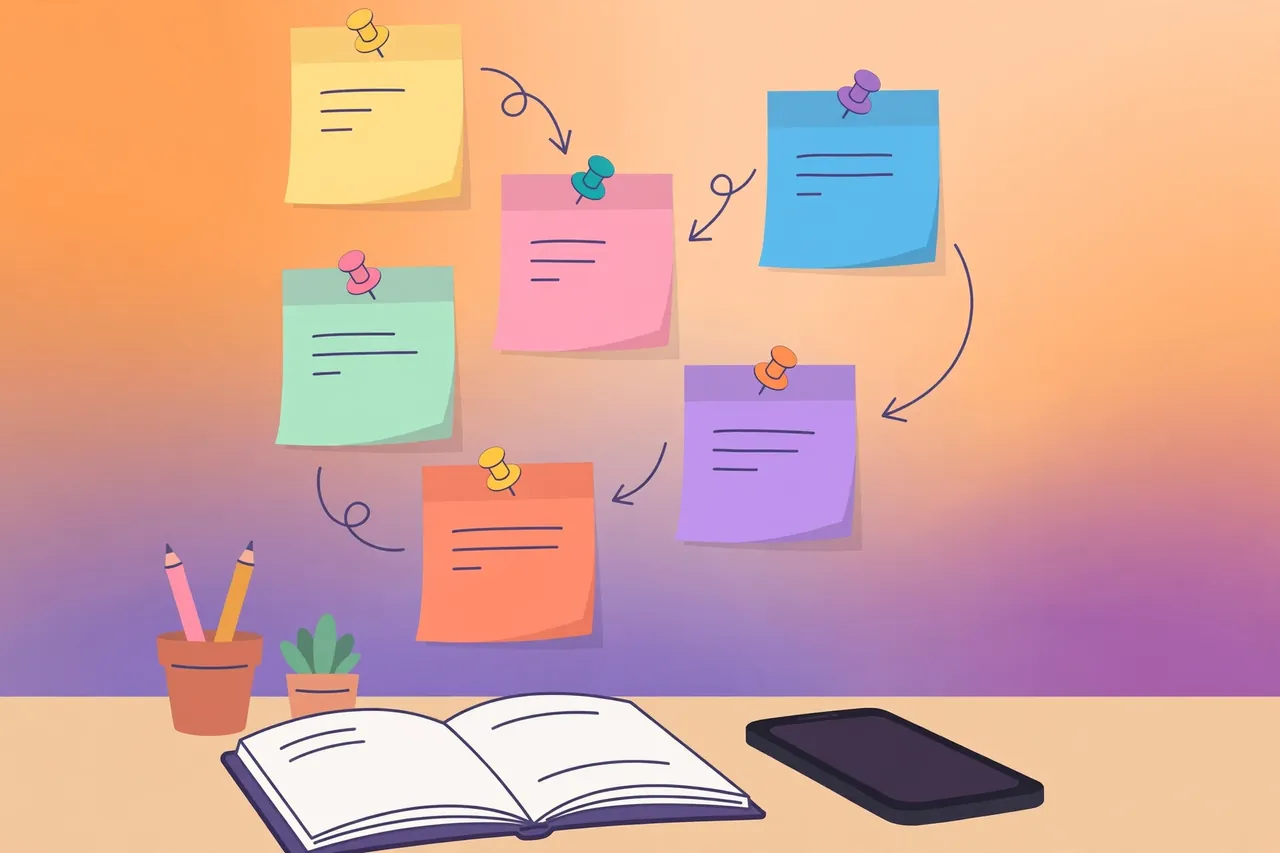
You do not need to invent a new hook for every Reel. Use these five formulas, fill in your topic, and you will always have an opener ready.
1. The mistake hook
Formula: “Stop doing [common mistake] — do this instead.” This works because people hate making mistakes, especially ones they did not know about. Examples: “Stop posting Reels at the wrong time”, “Stop using this hashtag”. Use it when your video corrects a common error in your niche.
2. The result hook
Formula: “How I [achieved a result] in [time]”. People love a real result with a real timeframe. Examples: “How I gained 5,000 followers in 30 days”, “How I sold out my first product in a week”. Only use results that are true and that your video explains honestly.
3. The question hook
Formula: “Why does nobody talk about [surprising fact]?” or “Have you ever wondered why [something happens]?” Questions pull the viewer in because the brain wants the answer. Keep the question short and make sure the video answers it quickly.
4. The list hook
Formula: “3 things I wish I knew before [starting something]” or “5 [tools/tips/mistakes] every [audience] needs”. Lists promise a clear, scannable payoff, and viewers stay to hear all three or five items. Put the most surprising item last so people watch to the end.
5. The story hook
Formula: “I [did something surprising] — here is what happened.” Stories create suspense. “I stopped posting for 30 days — here is what happened to my account” makes people stay to hear the ending. Start the story in the middle, at the most interesting moment, not at the beginning.
25 viral hooks for Instagram Reels by niche
Use these as starting points. Change the words to fit your niche, your voice, and your real experience — a copied hook sounds copied, and viewers can tell.
For business and creators
- “3 mistakes killing your Instagram reach (number 2 surprised me)”
- “How I got my first 1,000 followers without spending a rupee”
- “Stop posting Reels like this — do this instead”
- “Nobody is telling you this about the Instagram algorithm”
- “I tried posting every day for 30 days — here is what happened”
For food, beauty and lifestyle
- “This 5-minute recipe gets requested every single time”
- “Stop buying this — make it at home for half the price”
- “The $10 product that replaced my entire skincare shelf”
- “POV: you finally find a hairstyle that takes 2 minutes”
- “I tested the viral recipe so you don’t have to — honest review”
For fitness, money and education
- “Do this one stretch every morning — your back will thank you”
- “The biggest money mistake people make in their 20s”
- “I wish someone told me this before my first workout”
- “Learn this in 60 seconds — it took me a year to figure out”
- “Why your savings never grow (and the simple fix)”
For shops, services and local business
- “Behind the scenes: how your order actually gets packed”
- “The question every customer asks us — answered in 30 seconds”
- “Before and after: watch this room change in 20 seconds”
- “We tested 5 suppliers so you get the best quality — here is the winner”
- “This is what a real [product] should look like — watch for the difference”
Universal hooks that fit almost any niche
- “Wait until the end — the last one is the most important”
- “I can’t believe nobody is talking about this”
- “The truth about [your topic] nobody tells beginners”
- “Save this — you will need it later”
- “If you only watch one video about [topic] today, make it this one”
How to write your own hooks in 5 minutes
Keep a running list of hooks on your phone. Every time a Reel stops your own scroll, write down its opening line. After a week you will have twenty or thirty real examples, and patterns will jump out at you.
Before filming, write three different hooks for the same video, then pick the strongest. Say each one out loud — if it sounds awkward spoken, it will sound awkward on camera. Film the hook first, while your energy is highest, and put the same words as text on screen so silent viewers can read it. Many people watch Reels with the sound off, and a hook they can only hear is a hook half your audience never gets.
Test one thing at a time. Post the same kind of video with two different hooks on different days and compare the first-three-seconds retention in Insights. Over a month, you will learn which formulas your audience responds to — and that knowledge is worth more than any list of examples, including this one.
Hooks also work better when they are planned, not improvised on the day. Sit down once a week and write the hooks for your next five Reels in one go — three options for each video, then pick the strongest. Planning ahead also lets you batch-film: record all five hooks in one session while your energy is high, then film the rest of each video later. If you want to keep that weekly rhythm without thinking about posting times, the Instagram post scheduler lets you queue finished Reels in advance. And if the hooks bring in views but not customers, read our guide on how to use Instagram Reels for business to turn attention into enquiries.
Hook mistakes that hurt your account
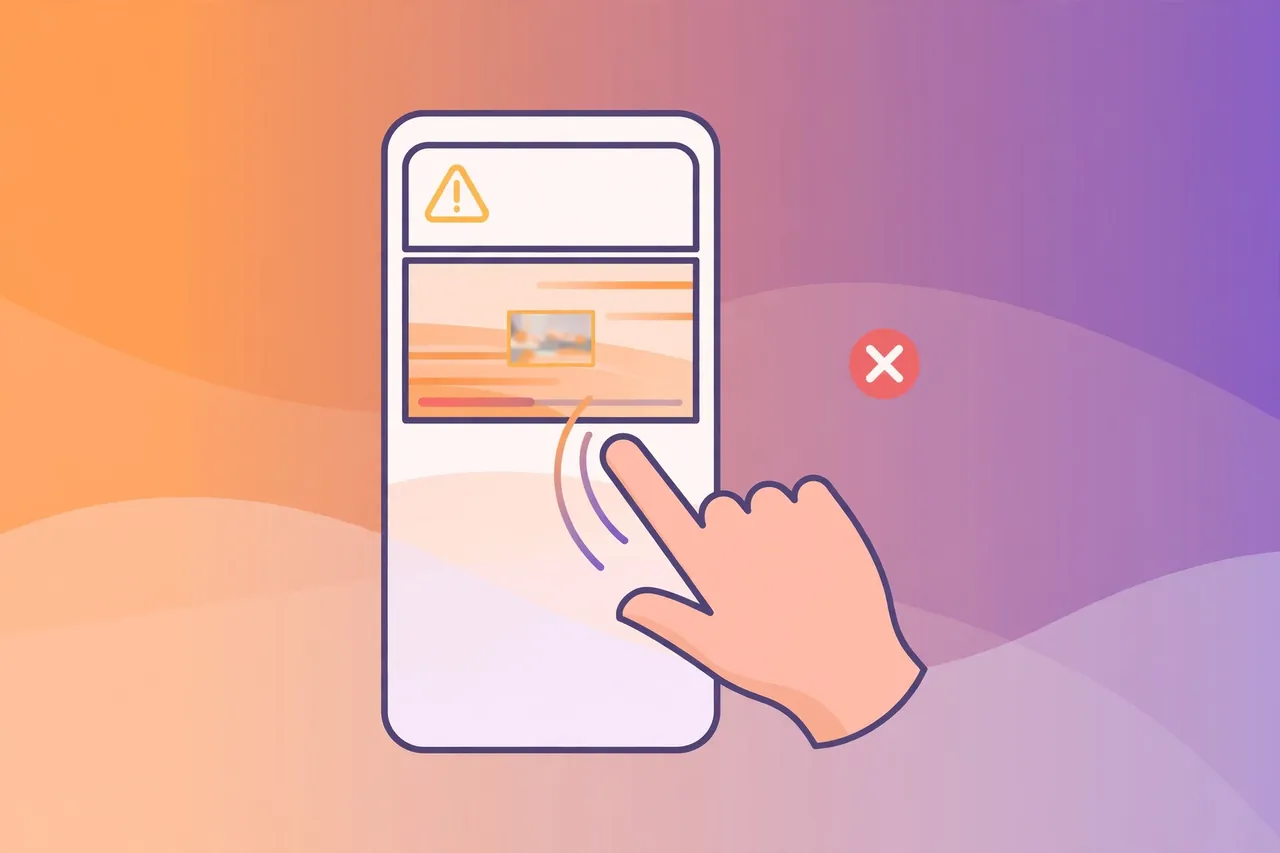
- Misleading hooks. Promising something the video never delivers. Viewers leave within seconds, and Instagram reads the quick exit as a bad video. The hook must match the content.
- Slow openings. Starting with “Hi guys, welcome back to my channel” wastes the two seconds that matter most. Start with the hook, introduce yourself later — or never.
- Vague hooks. “You won’t believe this” or “Watch this” tells the viewer nothing. Say what the video is about, specifically, in the first line.
- Hooks only in the caption. Most viewers decide in two seconds, before reading the caption. The hook must be visible or audible in the video itself.
- Using the same hook every time. Your followers recognise a repeated opener and start skipping it. Rotate formulas and keep testing new ones.
- Overpromising results. “This will make you rich” or “Lose 10 kg in a week” is not only dishonest — it can get your content limited for misleading claims. Promise only what you can honestly deliver.
Troubleshooting: your hooks are not working — what now?
- Views are low but watch time is fine. The hook may be working, but the video is not being shown widely yet. Check whether the Reel was shared to your feed, and give it 48 hours — some Reels grow slowly.
- People leave in the first three seconds. The hook is the problem. Compare the opening with your best-performing Reel: is the new hook vaguer, slower, or less specific? Rewrite it with one of the five formulas above.
- People watch but do not follow. The hook worked, but the video did not give a reason to follow. End with a clear next step — “Follow for part 2” — and make sure your profile shows what you post about. For the full picture, see our guide on how to check your Instagram engagement rate.
- The same hook worked once and then stopped. Hooks wear out. A formula that worked last month may be overused now. Watch what is stopping your own scroll this week and update your list.
Frequently asked questions
What is a hook in an Instagram Reel?
A hook is the first one or two seconds of your Reel — the opening words, on-screen text, or first image. Its job is to stop a stranger from scrolling and make them keep watching. Instagram uses early watch behaviour to decide how far to push your Reel.
How long should a hook be?
One or two seconds, and one short sentence at most. If the viewer needs more than two seconds to understand what the video is about, the hook is too long. Say the most interesting thing first, then explain.
Do hooks really make Reels go viral?
A good hook is necessary but not enough. It gets people to watch the first seconds; the rest of the video must hold them, and the content must be worth saving or sharing. A great hook on a weak video will not go viral, and a great video with a weak hook may never be seen.
Can I copy viral hooks from other creators?
Borrow the structure, not the exact words. A formula like “3 mistakes killing your reach” works in any niche, but copying someone’s exact sentence sounds copied and can feel dishonest. Rewrite it for your topic and your voice.
Should the hook be text on screen or spoken?
Both, when you can. Put the hook as text on screen for silent viewers and say it out loud for viewers with sound on. Many people watch Reels with the sound off, so a spoken-only hook loses half the audience.
Final word
A viral Reel starts before the video does — in the first two seconds. Pick one of the five formulas, write the hook for one specific viewer, say it out loud before you film, and put it on screen as text. Then test: post, check how many people stayed past three seconds, and try a different hook next time. The creators who grow fastest are not the ones with the most talent — they are the ones who test the most hooks.
Sources: Instagram Creators — https://creators.instagram.com/; Instagram Help Center — https://help.instagram.com/